
In the world of Pure Himalayan Shilajit, the way the resin is processed matters just as much as where it comes from. While some manufacturers rely on rapid industrial heating to speed up production, others still follow a slower and more meticulous tradition: natural sun-drying. This careful process can take days or even weeks, but many premium producers believe it helps preserve the original character, texture, and integrity of the resin.
For experienced shilajit users, the difference is often noticeable. Sun-dried shilajit typically reflects a more traditional preparation method, one centered on patience, gradual purification, and minimal interference. Heat-processed resin, on the other hand, is often designed for faster scalability and mass production.
Understanding how shilajit is prepared offers valuable insight into its overall quality. From high-altitude harvesting to natural evaporation under sunlight, every stage of the process influences the final resin’s consistency, aroma, purity, and authenticity.
Why Sun-Dried Shilajit Is Better Than Artificially Heated Resin
One of the main reasons many enthusiasts prefer sun-dried shilajit is the philosophy behind the process itself. Traditional preparation methods prioritize slow handling and gentle purification rather than speed and industrial efficiency.
Shilajit naturally forms over centuries in mountainous regions through the gradual decomposition of plant matter and minerals. Because of this delicate origin, many traditional processors avoid exposing the raw material to excessive artificial heat during purification and drying.
Sun-drying relies on natural warmth and controlled evaporation. Instead of aggressively reducing moisture with industrial heating systems, the resin is slowly concentrated under sunlight over time. This approach is often associated with:
- More natural texture retention
- Better preservation of the resin’s original profile
- A softer and more authentic consistency
- Reduced risk of overheating sensitive natural compounds
The process is considerably slower, which is why genuinely sun-dried shilajit is usually produced in smaller batches. Premium producers often consider this extra time essential to maintaining quality standards.
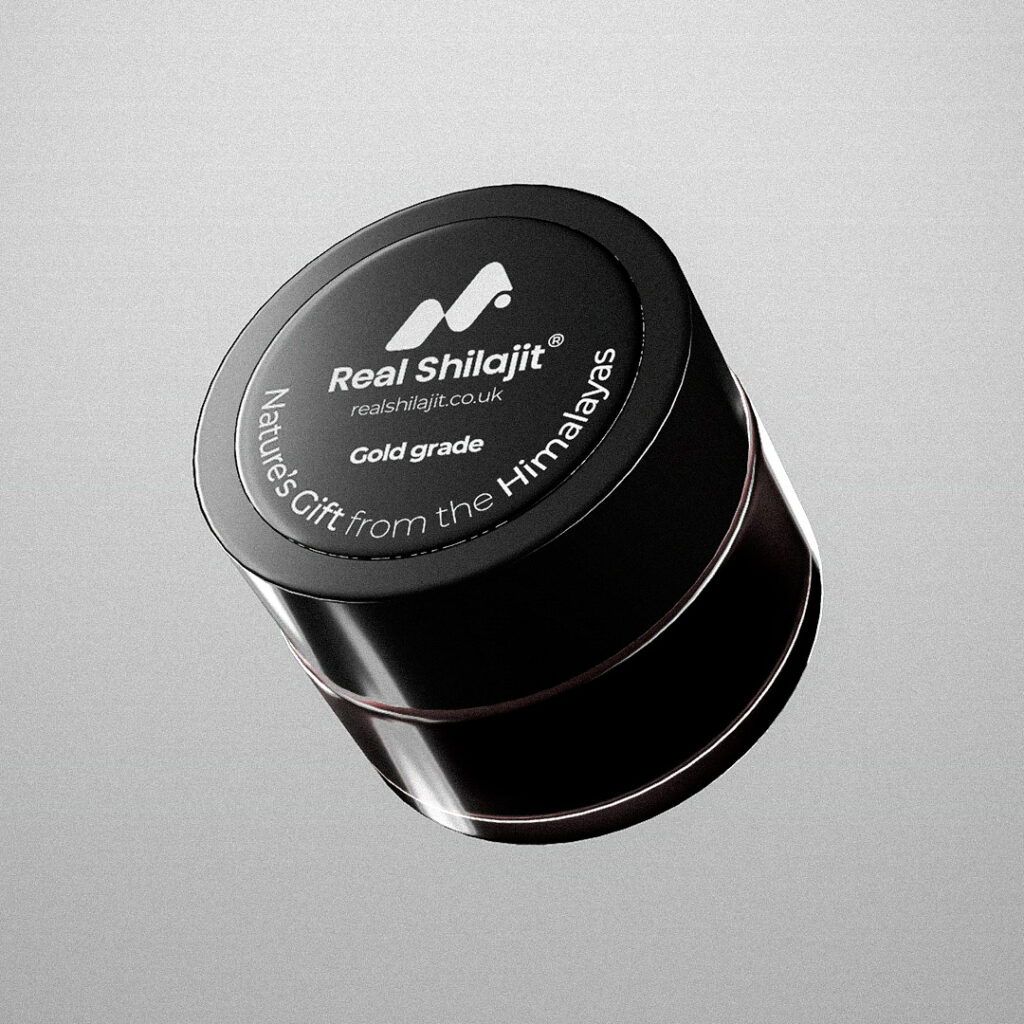
Gold Grade Jar
-
Boosts energy and stamina for intense workouts
-
Supports healthy testosterone levels naturally
-
Enhances muscle recovery and performance
-
Promotes healthy skin and overall vitality
The meticulous harvesting process behind premium shilajit
Authentic shilajit harvesting begins in remote mountainous regions, often at high altitudes where environmental conditions remain relatively untouched. During warmer months, resin-like material slowly emerges from rock crevices exposed to natural temperature fluctuations.
Harvesting this material is labor-intensive. Workers typically collect small amounts manually from rocky surfaces, which requires patience and experience. Raw shilajit at this stage still contains natural impurities such as mineral particles, sediment, and organic debris.
The purification process is therefore gradual and carefully controlled. Traditional producers often dissolve the raw material in purified water before repeatedly filtering it through fine natural or laboratory-grade filtration systems. Each stage aims to separate unwanted particles while preserving the resin’s dense mineral character.
Rather than rushing the process, premium manufacturers usually allow time for settling, filtration, and natural concentration. This slower approach contributes to the artisanal nature of carefully processed shilajit.
How sun-drying works naturally
After purification, the resin enters one of the most important stages: natural drying.
In traditional methods, the filtered shilajit is spread in controlled environments where it can slowly thicken through exposure to sunlight and ambient warmth. The goal is not to “cook” the resin, but rather to allow gradual evaporation of excess moisture.
This process can take several days depending on:
- Temperature
- Sun intensity
- Humidity levels
- Batch size
- Resin density
Because sun-drying is naturally slower, producers must constantly monitor texture and consistency. Too little drying may leave excessive moisture, while too much exposure can alter the resin’s usability.
This manual oversight is one reason premium shilajit production remains relatively small-scale. Unlike industrial systems that prioritize volume and speed, traditional drying methods require active observation and patience throughout the process.
Many artisans view this stage as essential to preserving the resin’s authentic character.
What artificial heat may change in shilajit
Artificial heat processing is commonly used to accelerate production timelines. Industrial heating systems can significantly reduce drying time, allowing manufacturers to process larger quantities more efficiently.
However, excessive heat exposure may influence certain characteristics of the final resin.
Depending on temperature intensity and processing duration, heat-processed shilajit can sometimes develop:
- A harder or overly brittle texture
- An unusually uniform consistency
- A stronger burnt or cooked odor
- Faster solidification at room temperature
- Changes in natural stickiness or elasticity
Some producers also believe aggressive heating may affect delicate naturally occurring compounds present in the resin. Scientific research on this area remains limited, so it is important to avoid exaggerated claims. Still, many traditional processors prefer lower-temperature preparation methods specifically to minimize unnecessary alteration.
This preference reflects a broader philosophy within premium natural products: preserving the original material as gently as possible.
Benefits of naturally sun-dried shilajit
Naturally sun-dried shilajit is often associated with a more refined and authentic user experience.
One of its most appreciated characteristics is texture. Properly sun-dried resin usually remains soft, pliable, and slightly elastic depending on room temperature. Rather than feeling excessively dry or artificially hardened, it tends to retain a more natural resin-like consistency.
Users also frequently associate sun-dried resin with:
- A richer earthy aroma
- More natural appearance
- Traditional handcrafted feel
- Greater perceived purity
- Less industrial processing
Another advantage is consistency between batches. Small-batch artisans who rely on careful drying often inspect each batch manually, adjusting drying duration according to environmental conditions rather than applying a single industrial standard to every production cycle.
This slower approach aligns closely with traditional shilajit preparation practices passed down in Himalayan regions for generations.
Why premium brands avoid excessive heat processing
Premium shilajit producers generally focus on authenticity and preservation rather than mass-market speed.
Artificial heat can dramatically increase production efficiency, but it may also reduce the level of control artisans have over the resin’s final characteristics. For brands emphasizing craftsmanship and natural preparation, this trade-off is not always acceptable.
Small-batch processing allows for:
- Closer quality inspection
- More controlled purification
- Better monitoring of texture development
- Greater attention to detail
- Lower risk of overprocessing
This is one reason authentic shilajit resin from traditional producers is often available in limited quantities. Slow preparation simply does not scale as easily as industrial heat-based production.
For many premium brands, the goal is not maximum output. It is maintaining a preparation method that respects the original material.
Gold Grade Jar
-
Boosts energy and stamina for intense workouts
-
Supports healthy testosterone levels naturally
-
Enhances muscle recovery and performance
-
Promotes healthy skin and overall vitality
How to identify authentic sun-dried shilajit
Although visual inspection alone cannot guarantee authenticity, certain characteristics are commonly associated with naturally processed shilajit.
Sun-dried shilajit resin often displays:
A soft and flexible texture
At moderate room temperature, the resin is usually pliable rather than rock-hard. It may soften slightly when warmed between the fingers.
A natural earthy aroma
Authentic resin tends to have a mineral-rich, earthy smell rather than a burnt or overly smoky odor.
Slight variation between batches
Because traditional drying depends partly on natural environmental conditions, small variations in texture or appearance can occur between batches.
A glossy dark appearance
Premium resin generally has a deep brown or black tone with a naturally glossy surface rather than a dull or powdery finish.
No signs of excessive dryness
Overly dry, crumbly, or sharply hardened resin may indicate aggressive heat exposure or excessive processing.
Carefully processed shilajit usually reflects balance rather than uniform industrial perfection.
Sun-dried shilajit vs heat-processed shilajit
The differences between sun-dried and heat-processed shilajit are not only about production speed, they also reflect two very different philosophies of preparation.
Sun-dried shilajit is typically produced in smaller batches using gradual natural evaporation. The resin is monitored manually throughout the drying process, allowing artisans to adjust conditions carefully over time. This slower method is often associated with a softer texture, a more natural consistency, and a preparation style rooted in traditional craftsmanship.
Heat-processed shilajit, by contrast, is usually designed for faster and larger-scale production. Industrial heating systems can reduce drying time significantly, making the process more efficient and standardized. However, excessive heat may alter certain natural characteristics of the resin, including texture, aroma, and overall feel.
Many experienced users describe sun-dried resin as having a more authentic artisanal quality, while heat-processed resin often appears more uniform and industrially refined.
Neither method alone guarantees purity or authenticity, but the preparation approach can noticeably influence the final product experience. For those seeking traditional shilajit preparation methods and carefully processed resin, sun-dried shilajit is often considered the more premium option.
Final thoughts
Shilajit is not simply a raw material pulled from the mountains and packaged overnight. The quality of the final resin depends heavily on how it is purified, handled, and dried.
Traditional sun-dried shilajit reflects a slower philosophy of production, one based on patience, observation, and respect for natural processes. From careful harvesting in remote high-altitude regions to gradual filtration and natural solar drying, every step contributes to the resin’s final character.
While industrial heat processing may increase speed and output, many premium producers continue to avoid excessive artificial heating in favor of gentler preparation methods. For them, authenticity is closely tied to craftsmanship.
Ultimately, understanding how shilajit is processed helps explain why some resin feels more natural, balanced, and artisanal than others. In the world of premium shilajit, time and careful preparation are often considered part of the product itself.
Gold Grade Jar
-
Boosts energy and stamina for intense workouts
-
Supports healthy testosterone levels naturally
-
Enhances muscle recovery and performance
-
Promotes healthy skin and overall vitality