
Shilajit resin has become increasingly popular among people looking for more natural wellness products, but one important detail is often overlooked: not all shilajit is the same. When discussing How does the quality of Shilajit resin affect how well it works?, the answer largely comes down to purity, sourcing, and processing methods. Consumers searching for Pure shilajit in UK markets, for example, are often surprised to discover how dramatically the quality of one resin can differ from another. From the mountains where it is harvested to the way it is purified and prepared, every step influences the final texture, composition, authenticity, and overall user experience.
How Does the Quality of Shilajit Resin Affect How Well It Works?
The quality of shilajit resin directly affects its purity, consistency, and natural composition. High quality shilajit resin is typically harvested from mineral-rich mountainous regions and purified using slow, traditional methods that preserve the resin’s natural structure. Lower-quality products, on the other hand, may be overly processed, diluted, or exposed to excessive heat during manufacturing.
When the resin is authentic and carefully purified, users often notice a smoother texture, a more balanced earthy aroma, and a cleaner overall experience. In contrast, poor-quality resin may feel overly sticky, unnaturally hard, or carry a chemical-like smell that suggests excessive processing or contamination.
The difference is not only about appearance. Traditional purification methods help maintain the integrity of the natural compounds found within authentic resin. This is why premium Himalayan shilajit is usually produced in smaller batches with careful filtration and quality control rather than mass industrial processing.
Why purity matters in Shilajit resin
Purity is one of the most important factors in authentic shilajit quality. Raw shilajit naturally emerges from rocky mountain environments, which means it can contain impurities if not properly purified. A reliable purification process removes unwanted particles, sediment, and potential contaminants while preserving the resin itself.
Traditional filtration methods are generally preferred because they rely on gentle purification rather than aggressive chemical treatment. This approach helps preserve the natural consistency of the resin without altering its texture too heavily.
A purified shilajit product should feel clean and uniform. If the resin contains visible debris, gritty residue, or inconsistent coloration, it may indicate insufficient filtration or poor manufacturing standards.
The role of traditional processing methods
Traditional purification remains one of the defining features of premium shilajit resin. Experienced producers often rely on slow processing methods that avoid excessive heat and rapid industrial drying.
When shilajit is exposed to very high temperatures during production, its texture and consistency can change significantly. Overheating may create a brittle or unusually hard resin that no longer behaves like authentic natural shilajit resin.
Artisanal processing typically includes:
- slow filtration
- controlled drying
- minimal processing
- small-batch handling
- careful storage conditions
These methods help preserve the authentic resin texture many experienced users look for when evaluating quality.
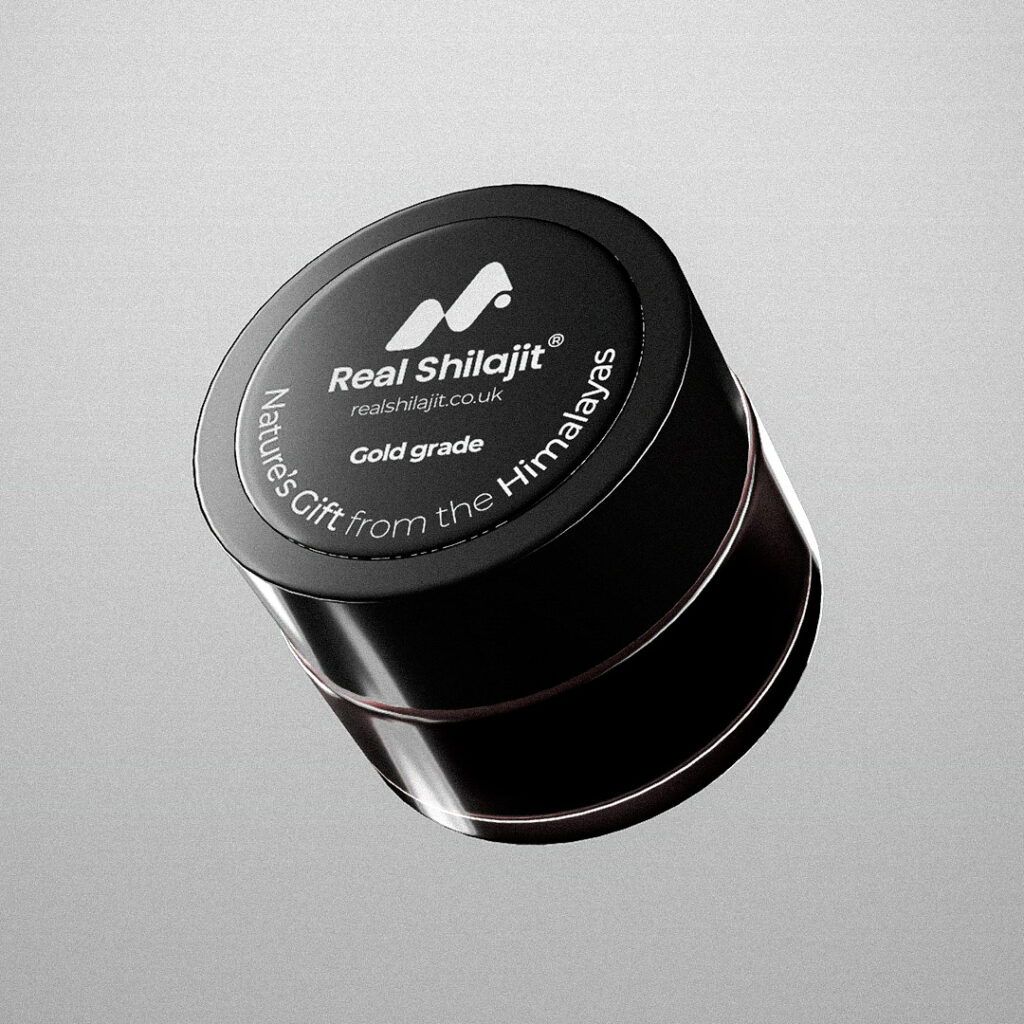
Gold Grade Jar
-
Boosts energy and stamina for intense workouts
-
Supports healthy testosterone levels naturally
-
Enhances muscle recovery and performance
-
Promotes healthy skin and overall vitality
How low-quality Shilajit differs from premium resin
Low-quality shilajit products often reveal themselves through texture, smell, and consistency. Some inexpensive products are diluted with fillers or processed into forms that no longer resemble traditional resin.
Common signs of lower-grade resin include:
- overly glossy or artificial appearance
- unusually strong or chemical smell
- rock-hard texture that does not soften naturally
- excessive stickiness
- inconsistent color layers
- visible impurities or sediment
Premium resin, by comparison, tends to have a more natural earthy aroma and a smooth, pliable texture that reacts gradually to warmth.
What makes high-quality Shilajit resin different
High-quality shilajit resin usually starts with careful sourcing. Authentic resin is commonly harvested from remote mountainous regions where mineral-rich organic matter develops slowly over time.
What separates premium shilajit resin from ordinary products is often the attention given to every stage of production:
- harvesting at higher altitudes
- traditional purification
- small-batch preparation
- laboratory testing
- controlled moisture levels
- minimal industrial processing
Producers focused on quality typically prioritize authenticity over mass production. This is why genuine artisan resin often has subtle variations in texture and appearance rather than a perfectly uniform industrial look.
How texture, smell, and consistency reveal quality
One of the easiest ways to identify real shilajit is by observing how the resin behaves under normal conditions.
A high quality shilajit resin generally becomes softer when exposed to warmth and firmer in cooler temperatures. This natural reaction is considered a strong indicator of authenticity.
Texture can reveal a great deal about processing methods. Authentic resin usually feels:
- smooth
- dense but pliable
- slightly elastic
- easy to dissolve gradually
The aroma is equally important. Natural shilajit resin typically carries a rich earthy scent reminiscent of minerals, stone, and mountain soil. A sharp chemical odor or overly perfumed smell may suggest additives or excessive refinement.
Color also matters. Premium Himalayan shilajit often ranges from dark brown to deep black with subtle natural variation rather than an artificially uniform appearance.
Why sourcing matters for authentic Shilajit
The environment where shilajit forms plays a major role in overall quality. Mountain altitude, mineral composition, climate, and surrounding vegetation all influence the raw material before purification even begins.
Authentic shilajit is generally associated with remote mountainous regions where environmental conditions remain relatively untouched. Responsible sourcing practices also matter because poorly harvested material can compromise purity before processing starts.
Experienced producers understand that premium quality begins long before purification. Careful collection methods help maintain the integrity of the raw resin while reducing contamination risks.
This is one reason why authentic resin sourced from respected mountain regions is often considered more reliable than anonymous bulk products with little transparency about origin.
Gold Grade Jar
-
Boosts energy and stamina for intense workouts
-
Supports healthy testosterone levels naturally
-
Enhances muscle recovery and performance
-
Promotes healthy skin and overall vitality
Common signs of poor-quality Shilajit resin
Consumers trying to identify real shilajit should pay close attention to warning signs that may indicate low-grade or heavily processed products.
Some of the most common indicators include:
- extremely hard texture that barely changes with warmth
- synthetic or burnt smell
- grainy residue
- excessive shine
- inconsistent consistency
- suspiciously low pricing
- lack of sourcing information
- no visible purification standards
In some cases, low-quality products may also contain excessive moisture or appear unnaturally thick due to additives.
A trustworthy product usually provides clear information about purification, sourcing, and testing practices without relying on exaggerated marketing claims.
How premium Shilajit brands maintain consistency
Maintaining consistency with a natural resin product is not simple. Premium producers generally rely on careful batch control and traditional purification standards to ensure a stable product experience.
Reliable brands often use:
- laboratory testing
- heavy metal screening
- controlled purification methods
- small-batch processing
- moisture monitoring
- traceable sourcing
The goal is not to create an artificial product that looks identical every time, but rather to preserve the authentic characteristics of purified shilajit while maintaining safety and quality standards.
Brands focused on authenticity usually speak more about sourcing, resin texture, and purification than unrealistic wellness promises.
How to choose a trustworthy Shilajit resin
Choosing a trustworthy shilajit product requires more than reading marketing claims on packaging. The best approach is to evaluate transparency and product authenticity carefully.
When looking for premium shilajit resin, consider:
- clear sourcing information
- traditional purification methods
- laboratory testing availability
- natural resin texture
- realistic product descriptions
- brand reputation
- small-batch production practices
Photos can also provide useful clues. Authentic resin rarely appears perfectly uniform or overly polished. Natural variation is often a positive sign rather than a flaw.
Consumers searching for pure shilajit resin should also be cautious of products marketed with exaggerated health claims or unrealistic promises. High-quality resin is usually presented with a focus on craftsmanship, purity, and authenticity rather than aggressive advertising.
Final thoughts on Shilajit resin quality
Understanding How does the quality of Shilajit resin affect how well it works? is essential for anyone interested in authentic resin products. The source of the material, the purification process, and the overall handling methods all influence the final experience in meaningful ways.
Premium shilajit resin is typically distinguished by careful sourcing, traditional purification, authentic texture, and transparent quality standards. In contrast, heavily processed or low-grade products often lose many of the natural characteristics that define genuine shilajit.
Rather than focusing only on branding or marketing language, informed consumers should pay closer attention to authenticity, purification practices, resin consistency, and sourcing transparency. In the world of shilajit, quality is not simply a luxury detail — it is the factor that shapes the entire experience.